Cosmetic Dentistry Bakersfield CA: Veneers, Whitening, and More
A cosmetic dental consultation rarely starts with a patient saying, “I want porcelain veneers.” More often, it starts with something smaller and more personal. A teacher in Bakersfield mentions she covers her mouth when she laughs. A sales manager says Zoom calls made him notice the dark edge around an old crown. A recent college graduate wants whiter teeth before job interviews but does not want to overdo it and end up with that opaque, overly bright look people notice for the wrong reason.
That is the real landscape of cosmetic dentistry. It is not only about celebrity smiles or dramatic before-and-after photos. It is about proportion, color, symmetry, bite function, and confidence, all balanced against budget, maintenance, and long-term oral health. For anyone searching for Cosmetic Dentistry Bakersfield CA, the useful question is not “What is the best treatment?” It is “What is the best treatment for my teeth, my goals, and the way I actually live?”
Bakersfield patients tend to be practical. They want options that look natural, hold up in real life, and make sense financially. They also want honesty. If whitening will get you 80 percent of the improvement you want, a good cosmetic dentist should say so. If veneers would look beautiful but expose a bite issue that needs to be addressed first, that should be part of the conversation too.
What cosmetic dentistry really covers
Cosmetic dentistry sits at the intersection of appearance and function. The visible goal may be a brighter or straighter smile, but every treatment has mechanical consequences. Teeth hit each other in specific ways. Enamel has finite thickness. Gum tissue frames every result. Materials age differently. A treatment that looks excellent on day one but ignores these realities can become expensive, uncomfortable, or disappointing later.
In a typical Bakersfield cosmetic practice, the most common requests involve tooth color, shape, alignment, spacing, worn Toothworks of Bakersfield, Dentist and Orthodontist Cosmetic Dentistry Bakersfield CA edges, and old dental work that no longer blends in. Veneers and whitening get the most attention, but they are only part of the picture. Bonding, clear aligners, enamel recontouring, tooth-colored crowns, gum contouring, and implant restorations can all play a role, depending on the case.
One of the biggest misconceptions is that cosmetic treatment has to mean a complete smile makeover. Sometimes it does. More often, it is targeted. Two front teeth may need new veneers while the rest of the smile needs whitening. A chipped incisor may be repaired with bonding in one visit. A patient with crowding may do several months of clear aligner treatment before any whitening or reshaping happens. Good cosmetic planning is selective, not automatic.
Veneers, when they make sense and when they do not
Veneers are thin shells, usually porcelain, bonded to the front surfaces of teeth to improve color, contour, proportion, and visual harmony. They can be transformative, especially for teeth with deep internal staining, significant wear, irregular shape, or stubborn cosmetic flaws that whitening alone cannot fix.
Porcelain remains the standard for many veneer cases because it reflects light in a way that mimics natural enamel better than most direct materials. It also resists staining well. That matters in real life. Coffee, tea, red wine, and tobacco habits show up over time. Composite veneers and bonding can look very good, particularly for small corrections, but they tend to pick up stain and wear sooner.
The key with veneers is restraint. The best veneer cases rarely scream “veneers.” They read as healthy, well-proportioned natural teeth. Length, translucency, edge shape, surface texture, and shade all matter. A smile that looks perfect in a studio photo can feel flat and artificial in daylight if those details are ignored.
There is also a practical side that deserves plain talk. Veneers are not a reversible beauty accessory in the casual sense many people imagine. Even conservative veneer preparation usually changes the tooth permanently. That is not inherently bad, but it means the decision deserves careful thought. Veneers also require maintenance over time. They do not “go bad” on a schedule, but they can chip, debond, or eventually need replacement. Gum recession can expose margins. Bite habits such as clenching can shorten their lifespan if untreated.
The patients who tend to be happiest with veneers are those with clear reasons for choosing them. They may have tetracycline staining that whitening will not fully solve. They may have multiple worn front teeth from years of grinding. They may have naturally small or uneven teeth with spaces that would otherwise require a combination of orthodontics and restorations. In those cases, veneers can be elegant and efficient.
The patients who are less happy often started with the wrong indication. If the only issue is mild yellowing, veneers may be more treatment than necessary. If the main problem is crowding or a deep bite, covering the front surfaces without addressing tooth position can compromise both appearance and longevity.
Whitening is simple, but not simplistic
Tooth whitening seems straightforward until it is not. A surprising number of patients arrive assuming all bleaching options are roughly the same and that stronger always means better. Experience says otherwise.
Whitening works best on natural enamel and certain dentin discolorations. It does not lighten crowns, veneers, fillings, or bonding. That one point changes many treatment plans. If someone has an old front crown that already looks slightly darker than the neighboring tooth, whitening the surrounding teeth may make the mismatch more obvious. In those cases, the smarter sequence is usually to whiten first, let the color stabilize, then replace visible restorations to match the new shade.
Take-home custom trays often produce the most controlled, predictable whitening for many adults. They allow gradual improvement and easier management of sensitivity. In-office whitening can deliver faster initial changes, which appeals to patients with an event coming up, but sensitivity can be more intense and results vary depending on the starting shade, enamel quality, hydration, and lifestyle habits. Over-the-counter strips help some people, especially with mild staining, but fit and coverage can be inconsistent.
Bakersfield’s climate also plays a small but real supporting role in post-treatment habits. Dry mouth is common in hot, dry environments, and saliva matters more than many people realize. Saliva helps protect enamel and influences how stains accumulate. Patients who breathe through their mouths, work outdoors, take drying medications, or consume energy drinks regularly often need guidance that goes beyond “use whitening gel and avoid coffee for 48 hours.”
The most predictable whitening candidates usually have healthy gums, minimal visible restorations in the smile zone, and realistic expectations. The biggest challenge is not getting teeth white once. It is maintaining the result without creating chronic sensitivity or a patchy color story from aging dental work.
Bonding, contouring, and the value of small changes
Not every cosmetic improvement needs a lab case. Some of the best outcomes come from modest, precise changes made in a single appointment. Direct composite bonding can repair chips, close narrow spaces, soften small irregularities, and improve symmetry with little or no drilling. Enamel contouring can smooth a rough edge or refine shape in minutes.
These conservative options deserve more attention than they usually get. They are especially useful for younger patients who are not ideal candidates for veneers, or for adults who want visible improvement while preserving future options. I have seen patients postpone treatment for years because they assumed anything cosmetic would be expensive and invasive, when a carefully done bonding case would have addressed the feature bothering them most.
The trade-off is durability. Bonding is technique-sensitive and material-sensitive. It can stain, dull, or chip sooner than porcelain. For someone who bites fingernails, chews ice, or clenches, that matters. But the lower upfront cost and conservative nature often make bonding a smart first step, especially when the goal is refinement rather than reinvention.
Straight teeth often make cosmetic work easier and better
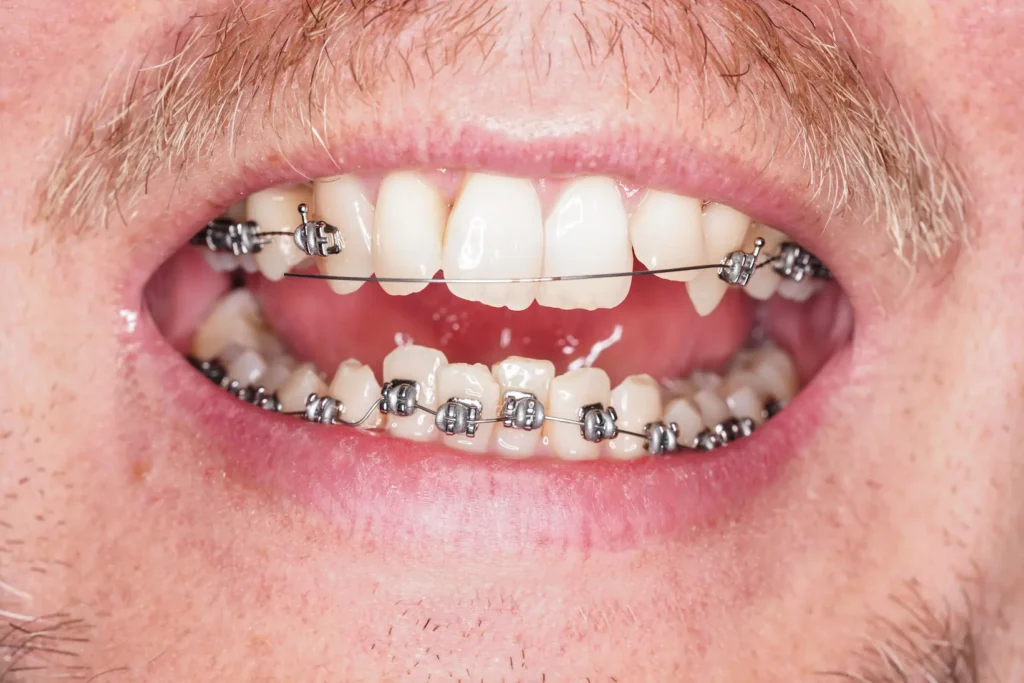
Alignment is the quiet force behind many attractive smiles. Even small corrections in tooth position can dramatically improve how light hits the front teeth and how broad the smile appears. That is why clear aligner therapy has become part of many cosmetic treatment plans, even when the original patient request was “whiter teeth” or “fix this one crooked tooth.”
Moving teeth into better positions before restorative work can reduce the amount of drilling needed, improve gum symmetry, and create more stable results. A slightly rotated lateral incisor, for example, may look discolored simply because it catches light differently. Straightening it can improve the appearance more than expected before any bleaching or bonding starts.
Orthodontic movement also matters when spacing and bite are part of the problem. Closing every gap with wide restorations can create bulky proportions if the underlying tooth positions are poor. In those cases, short-term aligner treatment followed by selective bonding or veneers often produces a more natural finish.
This is one area where impatience can lead to regrettable dentistry. Patients understandably want speed. But if six months of alignment eliminates the need for multiple restorations, or allows for smaller, more conservative veneers, that patience usually pays off.
Crowns, implants, and replacing what shows when you smile
Cosmetic dentistry is not limited to healthy, intact front teeth. Many smile concerns involve older dental work that has aged visibly or missing teeth that change both appearance and function.
A front crown can look noticeably unnatural if the color, surface texture, or gum contour is off. Even a technically sound crown may stand out because the surrounding teeth have shifted shade over time. Replacing visible crowns is as much an esthetic exercise as a mechanical one, and excellent photos, shade communication, and temporary design all matter.
Implants in the smile zone require even more judgment. People often focus on the final tooth, but the architecture of the gum and bone is what makes an implant restoration look believable. If the site has been missing a tooth for years, tissue changes may complicate the esthetic result. That does not mean treatment is a bad idea, only that expectations should be anchored in biology, not marketing photos.
This is where experience shows. The best cosmetic outcomes often come from sequencing treatment properly, sometimes with collaboration between a general dentist, periodontist, orthodontist, and lab technician. Cosmetic success is rarely a single procedure done in isolation.
How Bakersfield patients should think about choosing treatment
Anyone considering Cosmetic Dentistry Bakersfield CA should know that local choice matters, but process matters more. Cosmetic work is personal, visible, and hard to hide if it misses the mark. You are not only choosing a product. You are choosing a diagnostic style, an esthetic philosophy, and a communication partner.
A careful cosmetic consultation usually includes discussion of your goals, photographs, evaluation of bite and gum health, review of existing restorations, and an honest talk about budget and maintenance. It should not feel rushed. It should not jump straight to the most expensive option.
A few questions are worth bringing to that appointment:
- What is the most conservative way to improve my smile?
- Which parts of my concern are best treated with whitening, alignment, or restoration?
- How long should I expect this result to last with normal care?
- Will existing crowns or fillings look different if I whiten my natural teeth?
- What happens if I grind or clench at night?
Those questions tend to reveal how thoughtfully a case is being planned. The answers should be specific, not vague reassurance.
What a realistic timeline looks like
Cosmetic treatment can be quick, but not all good treatment is fast. Whitening may take days to a few weeks, depending on sensitivity and method. Bonding can often be completed in one visit. Veneers usually involve records, preparation, temporaries when indicated, laboratory fabrication, and final placement over a few weeks. Clear aligner treatment ranges widely, from a few months for minor movement to longer when bite correction is involved.
There is also an often-overlooked timing issue after whitening. Teeth can dehydrate temporarily, making them look whiter right after treatment. Shade should be allowed to stabilize before matching visible restorations. Patients who push to finish everything immediately sometimes lock in a mismatch because no one allowed for that settling period.
Wedding dates, graduation photos, media appearances, and job transitions all affect timing decisions. The right approach is to work backward from the event and leave margin for adjustments. A smile is too visible to plan like a last-minute home repair.
The cost question, without the sugarcoating
Cosmetic dentistry ranges from relatively affordable to significant investment. Bonding is generally less expensive than porcelain veneers. Whitening is usually the lowest-cost entry point. Cases that involve multiple veneers, crown replacement, gum treatment, implants, or orthodontics can add up quickly.
Price alone is a poor filter. The lowest quote may reflect shortcuts in planning, materials, or laboratory support. The highest quote does not automatically guarantee artistry. Value comes from diagnosis, communication, execution, and longevity. A beautifully conservative plan may cost less than an aggressive one and still produce a better result.
Patients also need to factor in maintenance costs. Whitening often requires touch-ups. Bonding may need polishing or repair. Night guards are not glamorous, but they can protect a cosmetic investment from clenching damage. If a practice never discusses maintenance, that is a gap worth noticing.
What separates natural-looking work from obvious dental work
Most people cannot articulate why one cosmetic result looks elegant and another looks “done,” but they can feel the difference immediately. Natural-looking dentistry respects facial features, age, lip movement, and the subtle asymmetries that make real teeth believable.
Several details commonly separate strong results from weak ones. Tooth shape should fit the face rather than follow a one-style-fits-all template. Surface texture matters because smooth, flat teeth reflect light differently than natural enamel. Incisal edges, the biting edges of front teeth, should show variation appropriate to the patient’s age and goals. Color should include depth and translucency, not just brightness.
There is also a social reality to consider. A 22-year-old influencer, a 48-year-old attorney, and a 67-year-old retiree may each want a brighter smile, but the ideal finish is not identical across all three. Great cosmetic dentistry listens to personality as much as anatomy.
Maintenance is where outcomes are protected
A cosmetic result is not self-sustaining. It lives in the mouth of a real person who drinks coffee at 6 a.m., works long shifts, grinds through stress, forgets retainers, or chews pens during meetings. Maintenance plans need to match those habits, not an imaginary ideal patient.
For most patients, the basics are predictable:
- Keep professional cleanings and exams on schedule so staining, margin changes, and small fractures are caught early.
- Use a night guard if your dentist sees wear patterns or you wake with jaw tension.
- Be cautious with habits that chip restorations, especially ice chewing, package opening with teeth, and nail biting.
- Expect periodic whitening touch-ups if maintaining a bright shade matters to you.
- Replace or update old visible restorations when the surrounding teeth change over time.
None of that is dramatic, but it is the difference between a result that stays polished and one that slowly unravels.
A final practical lens for smile decisions
The most useful way to think about cosmetic dentistry is not as a menu of procedures, but as a sequence of decisions. What bothers you most? What would count as a meaningful improvement? How conservative can the plan be? What maintenance are you realistically willing to do? If you value a natural look, say that plainly. If you want dramatic brightness, say that too. Cosmetic treatment works best when the dentist understands not just what you dislike, but what kind of change will actually feel like you.
For Bakersfield patients, that often means balancing visibility and practicality. You may want a brighter smile for professional reasons, but still need a solution that can handle coffee, dry air, long workdays, and occasional stress grinding. You may love the idea of veneers, but be better served by alignment, whitening, and a bit of bonding. You may think your teeth are too small, when the deeper issue is gum display or wear.
That is why thoughtful evaluation matters so much. The right cosmetic plan should look obvious only in hindsight. It should make your smile seem healthier, more balanced, and more like itself on its best day. Whether that involves veneers, whitening, bonding, aligners, or a combination of treatments, the aim stays the same: a result that looks right in sunlight, feels comfortable at dinner, holds up in photographs, and still makes sense years later.
Toothworks of Bakersfield, Dentist and Orthodontist
Address: 1030 H St #1, Bakersfield, CA 93304
Phone number: +16613239421
FAQ About Cosmetic Dentistry Bakersfield CA
What is considered cosmetic dentistry?
Cosmetic dentistry includes any dental treatment focused primarily on improving the appearance of your teeth, gums, or bite rather than treating a disease or restoring basic function.
How much does cosmetic dentistry usually cost?
The cost of cosmetic dentistry typically ranges from a few hundred dollars for minor touch-ups to over $20,000 for a comprehensive smile makeover, depending entirely on the specific procedure, materials used, and how many teeth are treated. Because most cosmetic treatments are elective, they are usually paid out of pocket without insurance coverage.
Is there a difference between a regular dentist and a cosmetic dentist?
Yes, a regular dentist focuses on your overall oral health and preventing disease, while a cosmetic dentist focuses on improving the look of your smile.