Cosmetic Dentistry Bakersfield CA for Long-Lasting Smile Results
A better smile can change more than a photograph. It can soften self-conscious habits, make conversations easier, and help a person stop thinking about their teeth every time they laugh. In a place like Bakersfield, where people spend a lot of time face to face at work, at school events, at church, and out in the community, cosmetic dental work often has a practical side as much as an aesthetic one. People want to look polished, yes, but they also want treatments that hold up through coffee, heat, dry air, busy schedules, and normal wear.
That is why the phrase Cosmetic Dentistry Bakersfield CA should never be reduced to whitening alone. Good cosmetic dentistry is part art, part engineering, and part long-term planning. The most successful cases are not the brightest or most dramatic. They are the ones that still look natural and function well years later.
What long-lasting results actually mean
Patients often use the phrase “long-lasting” to mean permanent. Dentistry rarely works that way. Teeth live in a rough environment. They absorb force, temperature swings, pigments, acid exposure, and the effects of grinding, clenching, and age. Even the best cosmetic work has a lifespan, and an honest dentist will talk about that upfront.
Long-lasting results usually mean three things. First, the materials chosen are appropriate for the patient’s bite, habits, and goals. Second, the underlying dental health is stable before cosmetic treatment begins. Third, the patient is willing to maintain the result. If one of those pieces is missing, even beautiful work can fail sooner than expected.
A veneer that looks flawless on day one can chip if it is placed on a patient with heavy nighttime grinding and no protective night guard. Whitening can look excellent after treatment, then fade quickly if the patient drinks several dark beverages a day and skips touch-ups. A bonding case can look conservative and elegant at first, but stain around the margins if home care is inconsistent. Durability is never just about the procedure. It is about fit between the procedure and the person.
Why planning matters more than many people expect
One of the biggest mistakes in cosmetic dentistry is treating what the patient sees without addressing what the dentist sees. A patient may point to a crooked front tooth, but the more important issue may be a collapsed bite, uneven gum levels, old fillings, or edge-to-edge contact that puts restorations at risk.
Experienced cosmetic dentists spend more time planning than many first-time patients realize. They study smile line, lip movement, midline, gum symmetry, tooth proportions, enamel thickness, shade, and bite dynamics. They also ask practical questions. Does the patient grind? Do they want the whitest possible look or something subtle? Do they have an important event coming up? Are they willing to replace older dental work so the shade matches? Those details shape the treatment choice.
In real practice, a conservative plan often gives the best value. Someone with generally healthy enamel, mild spacing, and slight staining may get excellent results from whitening and bonding rather than a full set of veneers. Another patient with worn edges, deep discoloration, and multiple older restorations may need porcelain work to get a stable result. The right answer depends on the mouth in front of the dentist, not on what looked good in a before-and-after post.
The most common cosmetic treatments and how they hold up
Cosmetic dentistry covers a wide range of services, and each one offers a different balance of cost, longevity, repairability, and visual impact.
Teeth whitening is usually the most accessible starting point. Professional whitening can noticeably brighten teeth, but it works best when discoloration is external or within the range enamel can respond to. Results vary. Some patients keep a brighter shade for a year or more with good habits, while others need periodic maintenance much sooner. Whitening does not change crowns, veneers, or tooth-colored fillings, which matters when matching the smile.
Dental bonding is one of the most useful tools in cosmetic dentistry because it can reshape edges, close small gaps, and improve chips with minimal tooth reduction. Bonding is more affordable than porcelain and can look excellent in skilled hands. Still, composite resin is more vulnerable to staining, wear, and chipping over time. For the right patient, that trade-off is worth it. For someone who wants maximum longevity and strength in visible front teeth, porcelain may be the better route.
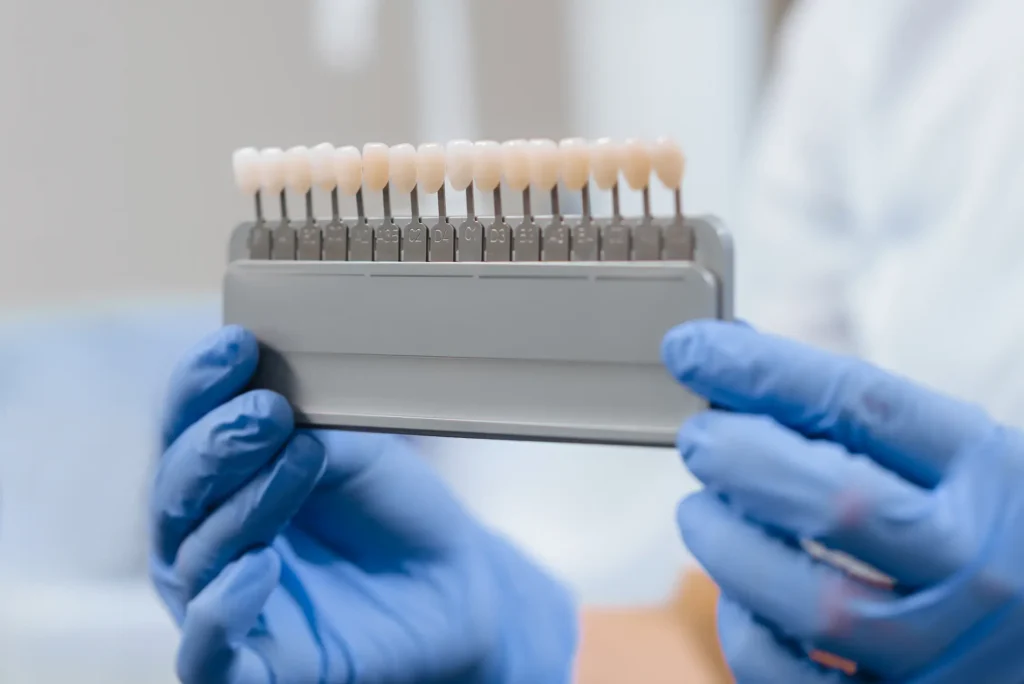
Porcelain veneers remain one of the most transformative options in cosmetic care. They can correct color, shape, size, minor alignment concerns, and visible wear all at once. Good veneers are not bulky, opaque, or overly uniform. They should interact with light in a way that resembles natural enamel. When properly designed and maintained, veneers can last many years, often a decade or longer, though there is always variation based on bite forces and home care.
Ceramic crowns can also play a cosmetic role, especially when teeth are heavily restored or structurally compromised. In those cases, the goal is not just beauty but reinforcement. A crown covers more of the tooth than a veneer, so it is usually chosen when additional support is needed. The best cosmetic crowns blend into the smile without calling attention to themselves.
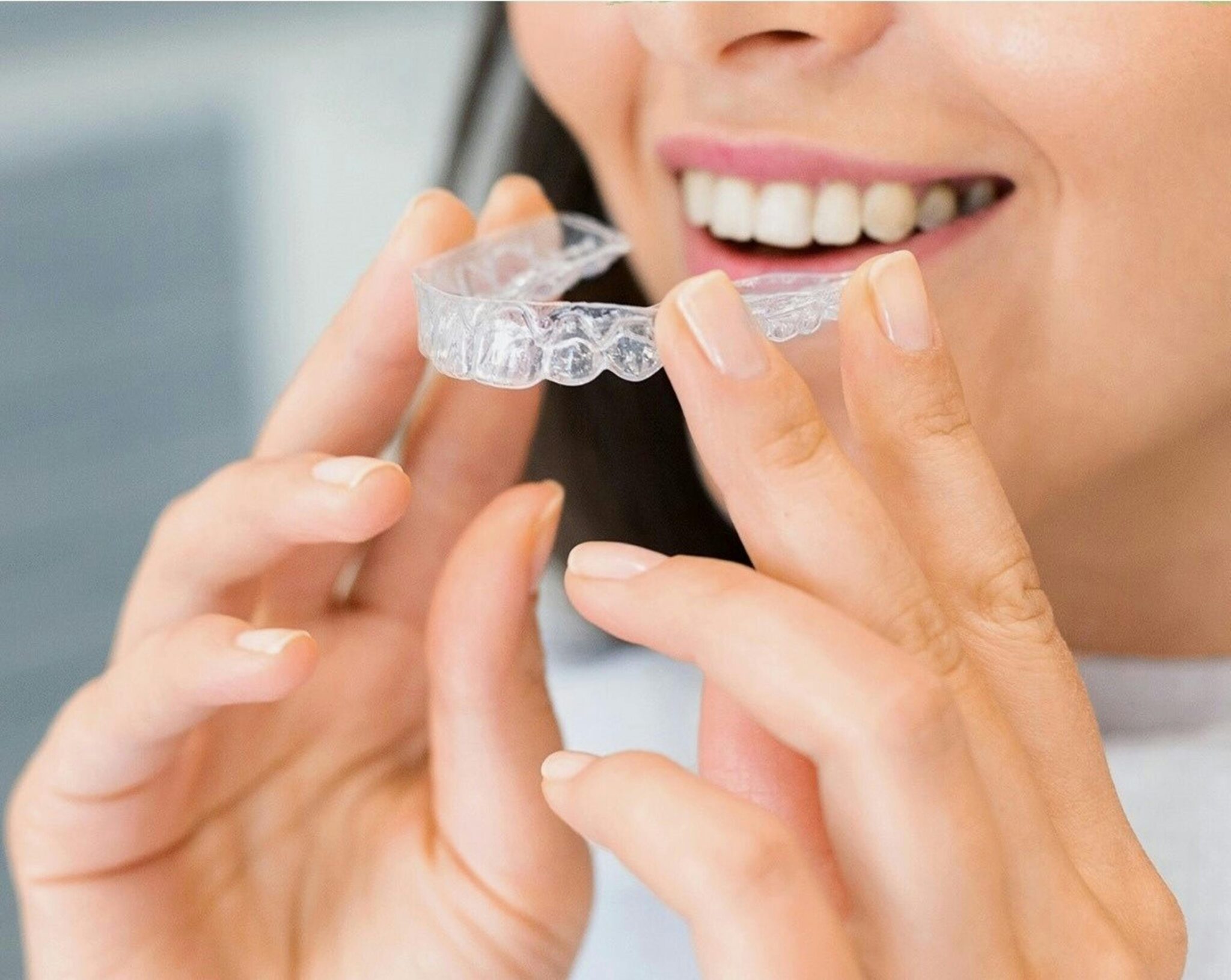
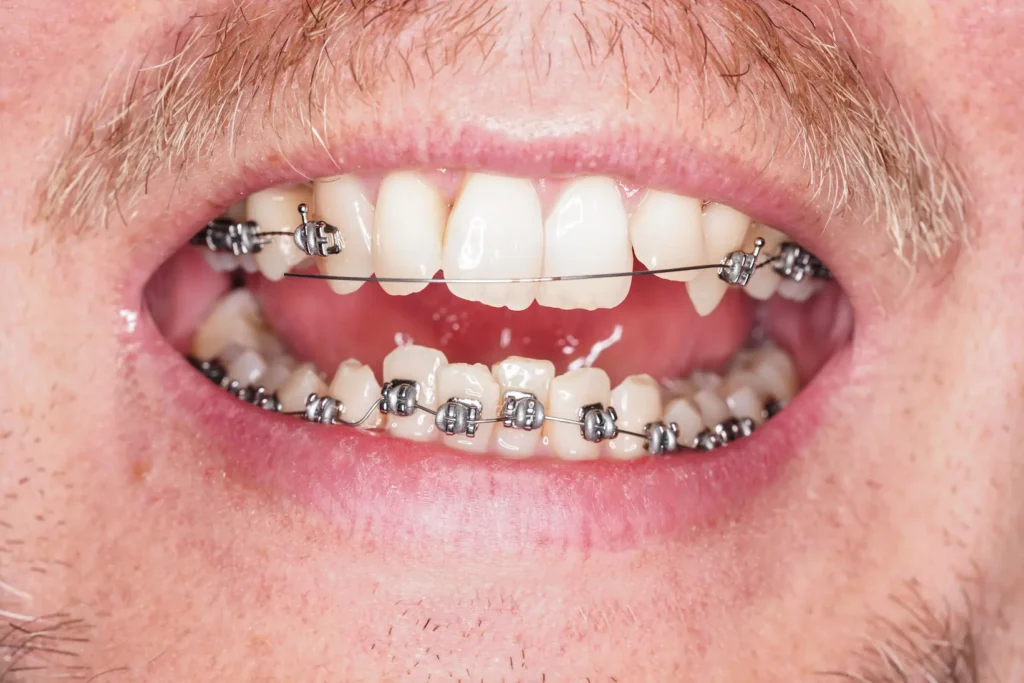
Clear aligner therapy deserves a place in this conversation too. Straightening teeth before doing cosmetic surface work can preserve more natural structure. In some cases, moving teeth first reduces or eliminates the need for veneers or extensive bonding. Orthodontics takes longer, but it often creates a stronger foundation for long-term aesthetics.
Bakersfield patients often need a practical approach
Climate, routine, and lifestyle shape dental outcomes more than people think. Bakersfield patients often deal with long workdays, outdoor exposure, coffee habits, sports, and in some households, high-stress schedules that contribute to clenching and grinding. Those factors matter.
A patient who works outdoors and drinks iced coffee all day through a straw may experience slower stain return than someone who sips hot coffee continuously in an office setting. A teenager who wants bonding before school photos but plays contact sports has different risks than a professional adult considering veneers after years of enamel wear. Someone with chronic dry mouth from medication may be more prone to decay around cosmetic restorations and needs that addressed first.
This is where local experience helps. Dentists who regularly treat Bakersfield families tend to recognize patterns in wear, hydration issues, maintenance habits, and the practical realities of follow-up care. Cosmetic treatment should fit the patient’s life, not just their wish list.
Natural-looking smiles age better
One truth that becomes clearer over time is that the most durable cosmetic result is usually the one that does not fight the patient’s features. Overly white, overly square, or overly uniform teeth may photograph well in a controlled image, but they Cosmetic Dentistry Bakersfield CA can look out of place in daily life. They also tend to invite future revisions when trends change or adjacent teeth age differently.
Natural-looking cosmetic dentistry respects facial shape, skin tone, lip posture, and age. A 25-year-old and a 58-year-old do not need the same incisal edge design. Men and women often prefer different tooth character, though there is plenty of individual variation. Some people want a very polished look, while others want tiny asymmetries retained because they feel authentic.
The best compliment for cosmetic dental work is not “Who did your veneers?” It is “You look great,” with no immediate focus on the dentistry itself.
Before cosmetic work, health issues come first
Patients are sometimes frustrated when they ask for cosmetic treatment and hear about gum inflammation, cavities, old leaking fillings, or bite imbalance instead. Yet that is exactly what a responsible dentist should do.
Healthy gums are especially important. Even small amounts of inflammation can affect smile appearance by changing contour, causing puffiness, or exposing uneven tissue levels. If the gum tissue is unstable, taking final impressions or placing veneers too early can compromise the result.
Decay and failing restorations must also be handled before cosmetic treatment moves forward. A beautiful veneer on a tooth with underlying structural weakness is not a smart investment. The same goes for unmanaged grinding or jaw pain. Cosmetic work cannot fix a destructive bite by itself. Sometimes the wiser move is to stabilize the bite first, then revisit the aesthetic phase.
Patients do not always love hearing “not yet,” but they usually appreciate it later when the outcome lasts.
Questions worth asking at a cosmetic consultation
A cosmetic consultation should feel less like a sales pitch and more like a planning conversation. Patients benefit from asking specific questions that reveal how thoughtfully the case will be handled.
- What treatment options fit my goals, and what are the trade-offs of each?
- How long should I reasonably expect this result to last in my case?
- Will you need to change healthy tooth structure to achieve this result?
- How will this look next to my existing dental work and natural teeth?
- What maintenance will I need over the next five to ten years?
Those questions often tell you more than glossy photos alone. A good dentist can explain why one option is more conservative, why another is more stable, and where uncertainty exists. Cosmetic dentistry is not a one-size-fits-all purchase. It is a custom treatment plan.
The role of materials in longevity
Not all cosmetic materials perform the same way, even when they look similar at first glance. The difference can show up in polish retention, fracture resistance, stain behavior, and how the restoration interacts with surrounding teeth.
Porcelain generally holds color better than composite resin. It also tends to maintain surface luster longer, which matters because dull restorations can make a smile look older even if the shape is still good. Composite, however, is easier and less expensive to repair. For some patients, that flexibility outweighs the shorter average lifespan.
Material choice should also match the location in the mouth. Front teeth are judged heavily on translucency and light reflection, while back teeth need to tolerate stronger chewing forces. A highly aesthetic material that performs beautifully on an upper lateral incisor may not be the best pick for a molar with a heavy bite.
Laboratory quality matters too. The finest treatment plan can still fall short if the final ceramic work is flat, opaque, or poorly contoured. In cosmetic cases, the collaboration between dentist and lab is a major factor in the result.
Why bite matters even when the goal is beauty
People often think of a smile as a visual feature separate from function. In dentistry, the two are tied together. If the bite is off, cosmetic work absorbs the consequences.
A patient may have one front tooth that keeps chipping. On the surface that looks like a simple shape problem, but often there is a deeper reason, such as the lower teeth striking too hard or too early in one area. Simply rebuilding the edge again and again without correcting the contact pattern leads to repeat failure.
This is one reason long-lasting cosmetic dentistry sometimes takes more time than patients expect. Adjustments may include minor orthodontic movement, enamel reshaping, replacement of old back restorations, or a protective night guard after treatment. Those steps do not always show in before-and-after photos, yet they are often the reason one case holds up while another does not.
Whitening, veneers, or bonding, choosing the right path
Patients trying to improve their smile usually compare these three options first, and the choice deserves careful thought. Whitening is ideal when shape and alignment are acceptable and color is the main complaint. It preserves tooth structure and costs less than other cosmetic services. Its weakness is that it cannot fix contour, spacing, old restorations, or deep intrinsic discoloration.
Bonding works well when the changes needed are modest. A small chip, a narrow gap, a slightly undersized lateral incisor, or uneven edges can often be improved beautifully with resin. The downside is maintenance. Bonding may need polishing, touch-up, or replacement earlier than porcelain.
Veneers make sense when several concerns overlap, especially color, shape, wear, and minor misalignment. They require greater commitment and higher cost, but they can deliver a more comprehensive transformation. The important point is that veneers should solve a problem, not simply replace healthy enamel because they are popular.
A careful dentist will often show patients more than one route and explain the likely lifespan of each. That kind of transparency leads to better decisions.
Maintenance is where long-term value is protected
Once the smile is finished, maintenance becomes the difference between a short-lived cosmetic upgrade and a lasting one. This is not glamorous advice, but it is practical. Most failures in cosmetic dentistry are not sudden mysteries. They build from habits and skipped care.
Patients who maintain attractive results for years usually do a few things consistently. They keep routine hygiene visits, wear a night guard if prescribed, address chips or rough spots early, and avoid using their teeth as tools. They also understand that “stain resistant” does not mean “stain proof.”
A simple maintenance rhythm often works well:
- Professional cleanings and exams at the interval recommended for your risk level
- Periodic whitening touch-ups if natural teeth were brightened
- Prompt repair of small chips before they enlarge
- A custom night guard for patients who clench or grind
- Honest conversations when goals change or older work starts showing age
The cost of maintenance is usually far lower than the cost of replacing avoidable damage.
Red flags patients should notice
Cosmetic dentistry should inspire confidence, not pressure. If a practice promises perfection, lifetime results, or identical outcomes for every patient, caution is warranted. Teeth are biological structures, not static surfaces, and every mouth behaves differently.
Another red flag is treatment planning that ignores function. If no one examines your bite, discusses gum health, or asks about grinding, the case may be getting oversimplified. The same concern applies when the proposed treatment seems far more aggressive than the problem requires. Not every smile needs porcelain. Sometimes the most skilled work is the least invasive work.
Photos matter, but they need context. A gallery can show style, yet it does not reveal how those cases held up three or seven years later. Patients should feel comfortable asking about expected maintenance, not just day-one appearance.
Cost and value are not the same thing
People shopping for Cosmetic Dentistry Bakersfield CA often compare fees first, which is understandable. Cosmetic work can be a significant investment. Still, lower initial cost does not always mean better value, and the highest fee does not automatically mean best quality.
Value comes from alignment between diagnosis, treatment choice, execution, and follow-up. A less expensive bonding case may be excellent value if it matches the patient’s goals and timeline. A veneer case may be worth the higher cost if it prevents years of patchwork repairs and delivers a stable, natural result. On the other hand, paying for a full cosmetic makeover when whitening and alignment would have solved the main concerns is not efficient dentistry.
The smartest financial decision is usually the one that fits both the mouth and the long-term plan.
When timing matters
There are moments when waiting improves the outcome. Younger patients whose teeth and gums are still changing may benefit from conservative interim treatment before committing to definitive porcelain work. Patients with recent gum therapy, orthodontic movement, or unresolved jaw symptoms also often need a stabilization period.
On the other hand, delaying too long can make treatment more complex. A small enamel chip may be easy to bond now but become a larger fracture later. Mild wear may be manageable conservatively before it progresses into sensitivity or bite collapse. Good timing in cosmetic dentistry is less about urgency and more about readiness.
A strong result should still feel like you
The most satisfying cosmetic cases are often the ones that let patients forget about their teeth. They smile more Cosmetic Dentistry Bakersfield CA easily, speak without guarding their mouth, and stop editing themselves in group photos. That ease usually comes from treatment that respects the individual rather than imposing a trend.
For anyone exploring Cosmetic Dentistry Bakersfield CA, the central question is not “What is the flashiest option?” It is “What will look right, function well, and still make sense years from now?” The answer may be whitening, bonding, aligners, veneers, crowns, or a careful combination. What matters is that the plan is built around durable health, realistic expectations, and craftsmanship that holds up in real life.
A smile can absolutely be enhanced. The best cosmetic dentistry proves it quietly, through balance, fit, and results that still look good long after the appointment is over.
Toothworks of Bakersfield, Dentist and Orthodontist
Address: 1030 H St #1, Bakersfield, CA 93304
Phone number: +16613239421
FAQ About Cosmetic Dentistry Bakersfield CA
What is considered cosmetic dentistry?
Cosmetic dentistry includes any dental treatment focused primarily on improving the appearance of your teeth, gums, or bite rather than treating a disease or restoring basic function.
How much does cosmetic dentistry usually cost?
The cost of cosmetic dentistry typically ranges from a few hundred dollars for minor touch-ups to over $20,000 for a comprehensive smile makeover, depending entirely on the specific procedure, materials used, and how many teeth are treated. Because most cosmetic treatments are elective, they are usually paid out of pocket without insurance coverage.
Is there a difference between a regular dentist and a cosmetic dentist?
Yes, a regular dentist focuses on your overall oral health and preventing disease, while a cosmetic dentist focuses on improving the look of your smile.