Cosmetic Dentistry Bakersfield CA for Bright, Beautiful Results
A healthy smile does more than photograph well. It changes how people speak, laugh, interview, date, and show up in everyday life. In a city like Bakersfield, where professional, social, and family circles often overlap, many people want their smile to look polished without appearing artificial. That is the sweet spot of modern cosmetic dentistry. The best work does not announce itself. It simply makes someone look refreshed, confident, and well cared for.
When patients start exploring cosmetic dentistry in Bakersfield CA, they often arrive with a vague goal. They say they want whiter teeth, or a more even smile, or to fix an old crown that never matched. Once the conversation starts, the picture becomes clearer. A person may have deep staining from coffee and red wine, small chips from grinding, slight crowding that catches the light in photos, or uneven edges that make the whole smile feel older than it should. Rarely is it just one thing. More often, it is a series of small details that add up.
Cosmetic dentistry works best when those details are approached with restraint and judgment. The goal is not to create a smile that looks copied and pasted. It is to improve color, shape, balance, and harmony while preserving what already suits the face.
What cosmetic dentistry really includes
Many people hear the phrase and think only of whitening or veneers. Those are important options, but cosmetic dentistry is broader than that. It includes treatments that improve how teeth look, and often how they function at the same time. Bonding can repair small chips. Clear aligners can straighten mild to moderate crowding. Porcelain veneers can reshape worn or uneven teeth. Tooth-colored crowns can replace older metal restorations in visible areas. Gum contouring can correct a smile that appears too gummy or uneven. Even replacing a missing tooth with an implant can be part of a cosmetic plan because gaps affect symmetry and facial support.
In practice, cosmetic work tends to overlap with restorative dentistry. A front tooth that cracked may need a crown, but the crown also needs to look lifelike. A patient who grinds their teeth may need worn edges rebuilt, but those repairs should not only hold up under pressure, they should also blend naturally with neighboring teeth. The line between beauty and function is not sharp. Good dentistry respects both.
That matters because the most attractive smile is usually the one that also feels comfortable, bites evenly, and remains stable over time. A beautiful veneer on a tooth that is overloaded in the bite will not stay beautiful for long.
Why people in Bakersfield seek cosmetic treatment
Every region has its own rhythm and priorities. In Bakersfield, many patients are balancing demanding jobs, busy households, and packed calendars. They want treatments that fit real life. Some are preparing for weddings, graduations, business headshots, or public-facing roles. Others have simply reached a point where they are tired of hiding their teeth in photos. Quite a few put cosmetic concerns aside for years while handling more urgent needs, then decide it is finally time to do something for themselves.
Sunlight also changes how people notice their smiles. In bright outdoor settings, discoloration, translucency, and uneven edges can become more obvious. So can older dental work that no longer matches. A crown placed ten years ago may have been acceptable at the time, but as surrounding teeth shift in shade or shape, the mismatch stands out more clearly.
There is another factor that does not get discussed enough. Bakersfield has plenty of long-time residents who have aged with older dentistry, silver fillings, opaque crowns, and visible wear from decades of use. Cosmetic dentistry is often less about vanity than about updating old work so it looks healthier, cleaner, and more natural.
The difference between a natural smile and an obvious one
This is where experience shows. Patients often worry that cosmetic dental work will look too white, too square, too uniform, or too perfect. That concern is justified. When cosmetic treatment is rushed or overdone, teeth can lose the small irregularities that make them believable. Real smiles have texture, slight variation, and proportions that fit the lips and face.
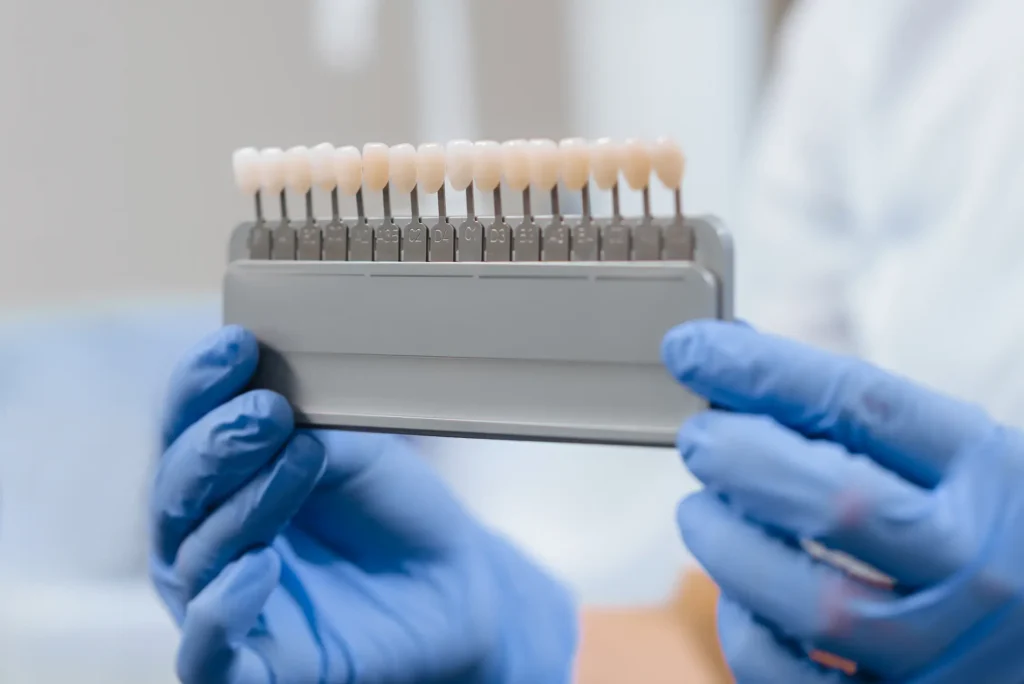
A natural result depends on careful planning. Shade selection is not simply a matter of choosing the lightest option on a guide. Dentists consider skin tone, lip line, age, and even the whites of the eyes. Shape matters too. Teeth with overly flat edges can look severe. Teeth that are too bulky can change speech and make the lips feel crowded. Symmetry is important, but perfect symmetry can read as artificial.
One useful principle is that cosmetic dentistry should improve what people notice first while preserving what already works. If the front teeth are slightly short from wear, lengthening them a little can restore youthfulness. If one lateral incisor is rotated and catches the eye, adjusting that single distraction may matter more than changing every front tooth. Sometimes the smartest treatment plan is the least aggressive one.
Teeth whitening, simple on the surface, nuanced in practice
Whitening is often the first step because it can brighten a smile quickly and conservatively. It also helps patients see what still bothers them after discoloration is reduced. A smile that once felt dull may not need veneers at all after professional whitening. On the other hand, whitening can expose mismatches in older crowns or fillings, which then become the next issue to address.
Professional whitening generally falls into two categories, in-office treatment and take-home trays supervised by a dentist. In-office whitening can produce visible results quickly, which appeals to people with a near-term event. Custom take-home trays usually work more gradually, but many patients appreciate the control and lower sensitivity. Neither method is ideal for every person. Teeth with deep tetracycline staining, internal discoloration from trauma, or extensive restorations may respond unpredictably.
Sensitivity is the trade-off most people notice. For some, it is mild and temporary. For others, especially those with recession or naturally sensitive teeth, it can be uncomfortable enough to change the plan. A good dentist adjusts concentration, timing, and frequency rather than forcing one protocol on everyone. Whitening is often marketed as simple, but doing it well requires judgment.
Veneers, bonding, and crowns, choosing the right tool
Patients frequently ask whether they need veneers. The honest answer is that veneers are excellent in the right case and excessive in the wrong one. They work especially well for teeth that are discolored, misshapen, worn, or slightly misaligned, when the patient wants a durable and highly esthetic change. Porcelain reflects light beautifully and resists stains better than composite resin. For the right candidate, veneers can create a dramatic improvement.
Still, veneers are not the universal answer some advertisements make them seem to be. If a patient has one small chip on an otherwise healthy front tooth, direct bonding may be more appropriate. Bonding is quicker, less invasive, and more affordable. It does not always last as long as porcelain, and it can stain or chip over time, but it is often the most sensible first step.
Crowns belong in the conversation too. When a tooth has a large filling, a crack, or significant structural loss, a veneer may not provide enough support. In that case, a crown may be both the stronger and safer choice. Cosmetic dentistry is not about selecting the prettiest option on paper. It is about matching the treatment to the biology of the tooth.
A common real-world example is the patient with one darkened front tooth after childhood trauma. Whitening may not fully lift the color. Bonding might mask some of it, but not consistently. A veneer or crown could provide a more stable esthetic result, depending on how much healthy tooth structure remains. There is no one-size-fits-all answer, and that is exactly why a thoughtful evaluation matters.
Straightening teeth without making life harder
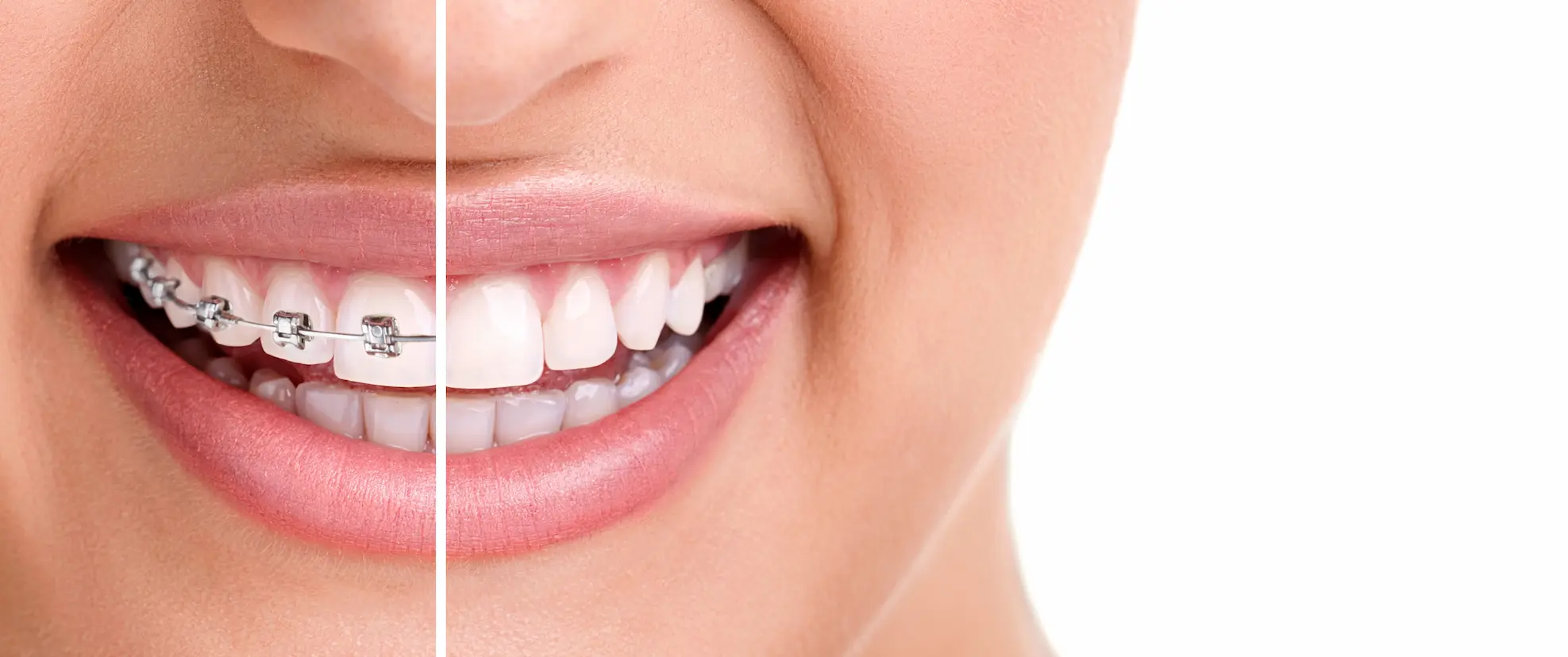
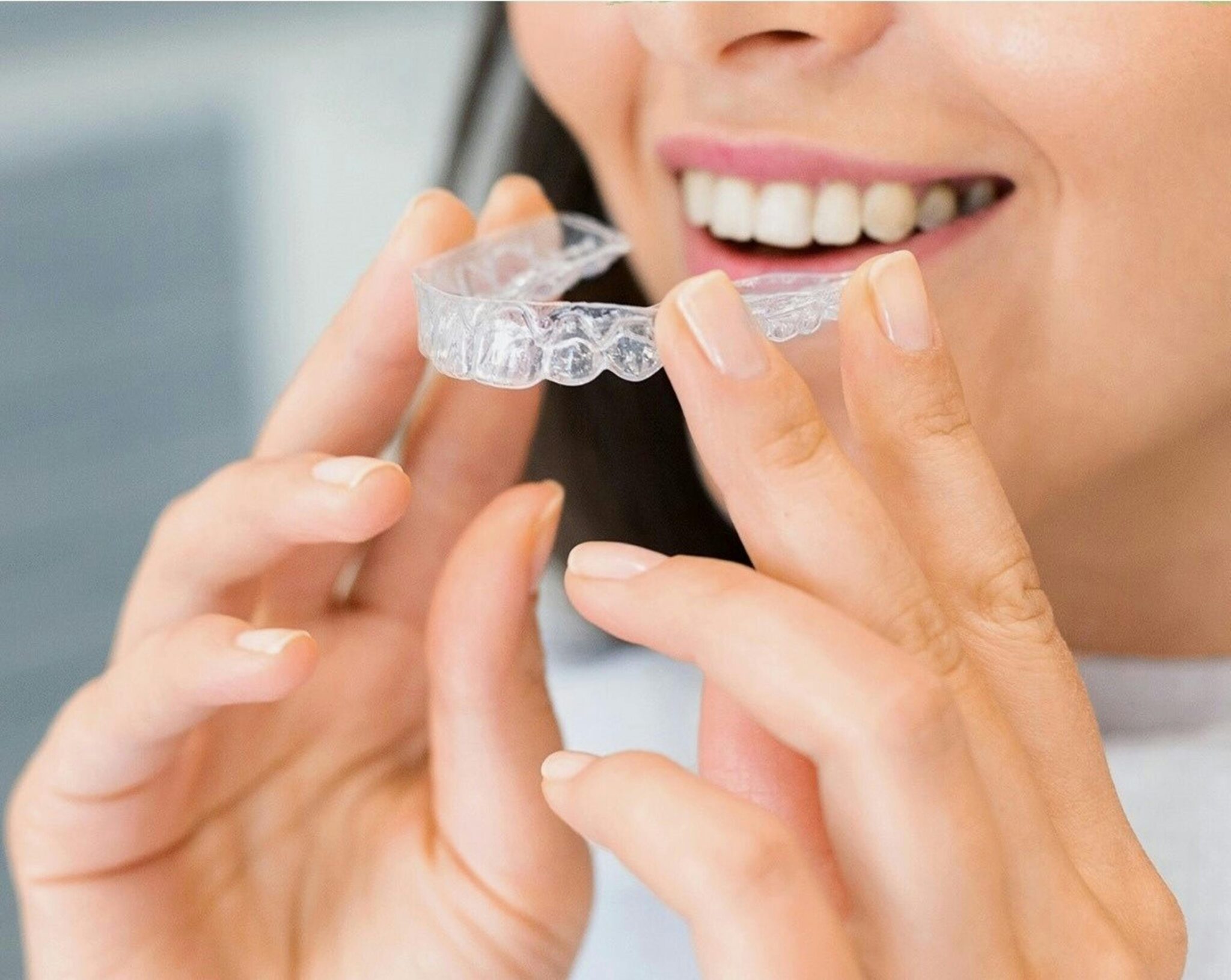
Aesthetic alignment has changed significantly in recent years. Many adults who would never consider traditional braces are open to clear aligners, especially if their concerns involve mild crowding, spacing, or relapse after teenage orthodontics. For cosmetic dentistry in Bakersfield CA, this has become a practical middle ground. People can improve their smile without brackets, and in many cases with minimal disruption to work and social life.
That said, clear aligners require discipline. They only work when they are worn consistently, usually around 20 to 22 hours a day. Patients who remove them frequently, snack often, or forget trays during busy days tend to fall behind. There is also the question of scope. Aligners are powerful, but some bite issues need more than cosmetic tooth movement. If the bite is unstable, simply lining up the front teeth may create a smile that looks better but functions poorly.
A careful dentist also considers timing. Sometimes teeth should be moved before whitening or veneers, not after. Aligning teeth first can reduce how much enamel must be reshaped later, preserving more of the natural tooth. This sequencing can save money and structure in the long run.
Replacing old dental work can transform a smile
One of the most underestimated cosmetic upgrades is replacing visible restorations that no longer blend. Old crowns near the front of the mouth often become a giveaway. The gumline may recede, exposing a dark edge. The porcelain may look chalky compared with adjacent teeth. Large fillings can discolor and create shadows through thin enamel.
When those restorations are updated with modern materials and a more refined shade match, the change can be striking even if the patient does not whiten or straighten anything else. This is especially true when several older restorations are competing with each other, each a slightly different color and texture. Bringing them into harmony creates a calmer, healthier look.
There is a practical side to this. Old dental work is not only a cosmetic concern. Margins can wear, leakage can develop, and underlying decay can form. When cosmetic goals align with needed maintenance, patients often get better long-term value from the treatment.
Gum shape, tooth proportions, and the frame around the smile
Teeth do not exist in isolation. The gums frame them, and small imbalances in Cosmetic Dentistry Bakersfield CA that frame can have an outsized effect. A person may believe their teeth are too short when the real issue is excess gum tissue covering part of the enamel. Another may have one gumline that sits higher than the matching tooth on the other side, creating asymmetry that draws the eye.
Minor gum contouring can sometimes correct this quickly. In other situations, gum recession must be managed more conservatively, especially if roots are exposed or oral hygiene is difficult. Cosmetic improvements in the gums should never ignore periodontal health. Healthy pink tissue is beautiful in a way that no porcelain can imitate.
This is also where proportion becomes important. If veneers or bonding are planned, gum levels influence how wide or narrow teeth should look. A skilled cosmetic dentist reads the whole composition, not just the color of the enamel.
What a cosmetic consultation should feel like
A strong consultation is part detective work, part design session, part health assessment. It should not feel like a sales pitch. The best appointments allow room for conversation. What bothers the patient most? What bothers them least? Are they looking for a subtle refresh or a more dramatic upgrade? Have they had bad dental experiences before? Do they clench, grind, or wake with jaw soreness? These details change the plan.
Photos are often more useful than a mirror because they capture the smile in motion and in context. Some people are surprised to learn that the issue they dislike up close barely shows when they talk, while a different issue becomes obvious in photos. Temporary mock-ups or digital previews can also help, though they should be treated as guides rather than guarantees. Real teeth, gum tissue, and facial movement add complexity that software cannot fully predict.
Patients should also expect a discussion about maintenance. Whitening fades. Bonding can chip. Retainers matter after orthodontic treatment. Night guards may be essential for patients who grind. Cosmetic dentistry is not a one-time purchase that can be ignored forever. It is an investment that stays attractive when supported.
Cost, value, and why the cheapest option often costs more later
Cosmetic treatment is elective in many cases, so cost naturally matters. The challenge is that comparing prices without comparing scope can be misleading. A quote for bonding may look appealing next to a quote for porcelain, but if the bonding needs frequent repairs and stains more quickly, the value equation changes. Likewise, a bargain veneer case may exclude records, temporaries, bite adjustments, or follow-up polishing.
The better question is not simply, “How much does it cost?” It is, “What am I getting, how long is it expected to last, and what maintenance will it need?” Dentistry involves materials, lab quality, planning time, and clinical skill. A front tooth restoration that looks seamless in bright daylight is rarely the result of shortcuts.
That does not mean the most expensive plan is automatically the best one. Some of the smartest cosmetic cases are conservative and modest in scope. Whitening, selective bonding, and replacing one mismatched crown can sometimes create a huge improvement without a full smile makeover. Value comes from fit, not just price.
Getting lasting results in a real life routine
Long-term success depends less on dramatic treatment and more on sensible upkeep. Daily brushing and flossing matter, of course, but cosmetic patients also benefit from a few practical habits. Coffee, tea, red wine, and tobacco stain both teeth and restorations over time. Grinding can damage natural enamel and porcelain alike. Skipping cleanings allows small edge stains and gum irritation to build into bigger esthetic problems.
Many patients are surprised by how much a simple night guard protects their investment. If someone clenches while sleeping, even beautiful new porcelain can chip at the incisal edges or create tension in the jaw. A well-fitted guard is not glamorous, but it can add years to cosmetic work.
Touch-ups should not be viewed as failure. They are part of stewardship. Composite bonding often needs polishing or refinement. Whitening may be refreshed periodically. A retainer may need replacement after years of use. Good cosmetic dentistry ages best when the patient and dentist treat it as an ongoing relationship rather than a finished product.
Finding the right dentist for cosmetic dentistry Bakersfield CA
Technical skill matters, but so does taste. Cosmetic dentistry is one of the few areas of healthcare where the provider’s aesthetic judgment plays a visible role in the final result. Patients should feel comfortable asking to see before-and-after cases, especially cases that resemble their own concerns. It helps to look for work that appears natural across different ages and facial types, not just ultra-white makeover photos.
Communication is just as important. The right dentist explains options clearly, including what not to do. They acknowledge limitations. They talk about bite, gum health, and maintenance, not only appearance. They do not pressure a patient into a bigger case than necessary. If Cosmetic Dentistry Bakersfield CA a consultation feels rushed or too scripted, that is worth noticing.
For anyone considering cosmetic dentistry Bakersfield CA, the most satisfying results usually come from a balanced plan. That plan respects oral health, budget, timeline, and personal style. It also leaves room for restraint. Not every stain needs porcelain. Not every small gap needs a dramatic fix. Sometimes the best cosmetic dentistry is the kind that makes friends say, “You look great,” without immediately knowing why.
A bright, beautiful smile is not built from trends. It comes from careful diagnosis, realistic expectations, and craftsmanship that suits the person wearing it. When those pieces come together, the result feels less like a makeover and more like recognition, the smile was there all along, just waiting to be revealed a little more clearly.
Toothworks of Bakersfield, Dentist and Orthodontist
Address: 1030 H St #1, Bakersfield, CA 93304
Phone number: +16613239421
FAQ About Cosmetic Dentistry Bakersfield CA
What is considered cosmetic dentistry?
Cosmetic dentistry includes any dental treatment focused primarily on improving the appearance of your teeth, gums, or bite rather than treating a disease or restoring basic function.
How much does cosmetic dentistry usually cost?
The cost of cosmetic dentistry typically ranges from a few hundred dollars for minor touch-ups to over $20,000 for a comprehensive smile makeover, depending entirely on the specific procedure, materials used, and how many teeth are treated. Because most cosmetic treatments are elective, they are usually paid out of pocket without insurance coverage.
Is there a difference between a regular dentist and a cosmetic dentist?
Yes, a regular dentist focuses on your overall oral health and preventing disease, while a cosmetic dentist focuses on improving the look of your smile.